


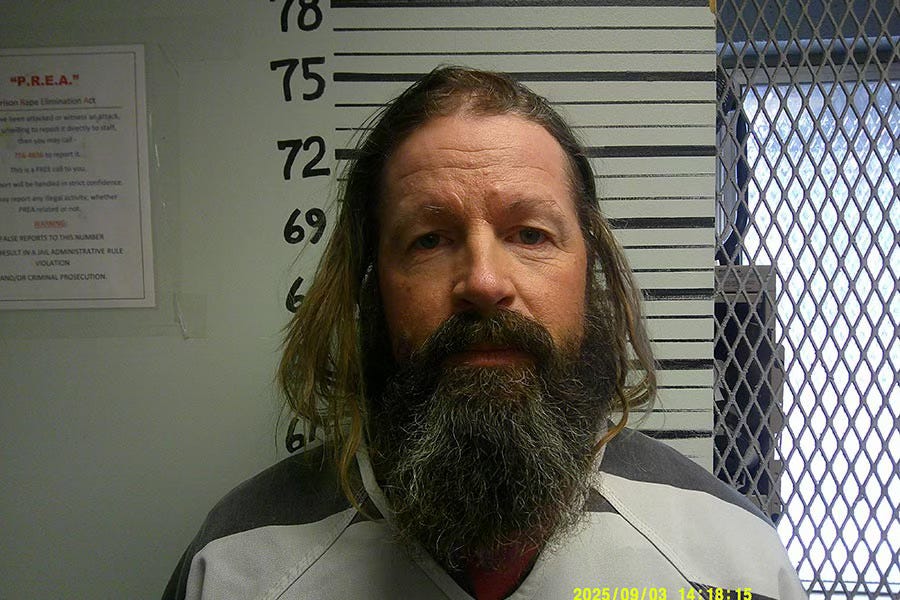
Hunting influencer Ryan Lampers, who faces multiple poaching-related charges in Idaho, was also cited in Montana last year for failing to submit a black bear hide and skull for inspection, according to a law enforcement record obtained by Public Domain.
Social media stars have become polarizing figures in hunting circles, where some critics view modern Internet marketing as creating new incentives for influencers to kill publicly-owned wildlife for commercial gain.
Lampers was sponsored by companies in the hunting industry, routinely appeared in popular YouTube videos and owns a nutritional supplement company aimed at outdoor enthusiasts. He now faces felony charges in Idaho for allegedly killing a trophy mule deer out of season and falsifying information about where and when he killed a wolf to receive a higher payout from the state’s reimbursement fund.
Lampers also faces several misdemeanor charges for allegations including killing a mountain lion without a proper tag, transporting that mountain lion illegally, and falsifying big game mortality reports for that mountain lion and the above-mentioned wolf. Those infractions allegedly took place in the winter of 2024.
In the spring of that year, he legally killed a black bear, then failed to report it as required or bring it in for inspection within 10 days. A game warden seized the bear hide and skull, according to the ticket.
“Hunter did not call harvest in within reported time and did not present bear for inspection until 20 days after harvest,” the ticket says.

Lampers paid $155 for the offense, according to the Gallatin County Justice Court. It did not impact his hunting privileges, according to Montana Fish, Wildlife and Parks. Lampers’ lawyer did not respond to a request for comment.
States routinely require hunters to get their bears inspected in order to take measurements and monitor population numbers.
Penalties for failing to check in a black bear after harvest are set by states and vary widely. Montana and many other states treat the infraction like a traffic offense, punishing it with small fines. In some states, failure to check in a bear can lead to confiscation or impact hunting privileges. The state of Oregon considers the offense a class A misdemeanor, punishable by up to a year in jail, a $6,250 fine and suspension of hunting privileges.
Former New Mexico bear and cougar biologist Frederic Winslow described failing to check in a bear as “a serious violation,” because states rely on that information to set hunting permit quotas and ensure the health of bear populations. New Mexico has sent troopers out of state to confiscate black bear and mountain lion carcasses that nonresident hunters left without submitting for inspection. Those making money off hunting should be held to a high standard when it comes to game laws, he added.
But most states take a light hand with wildlife violations in general, Winslow said.
“They’re misdemeanors. It’s no more than getting a traffic ticket in most cases, which I find is a disservice to the resource sometimes,” Winslow said. “They’re not fined as heavily as they should be.”
Probably runs them to death with a snowmobile first to keep the hide from getting any holes in it. These people are poachers period, they are not sportsman. Ask him how that bear meat tasted, he doesn’t know because he doesn’t hunt to eat, he hunts for money.